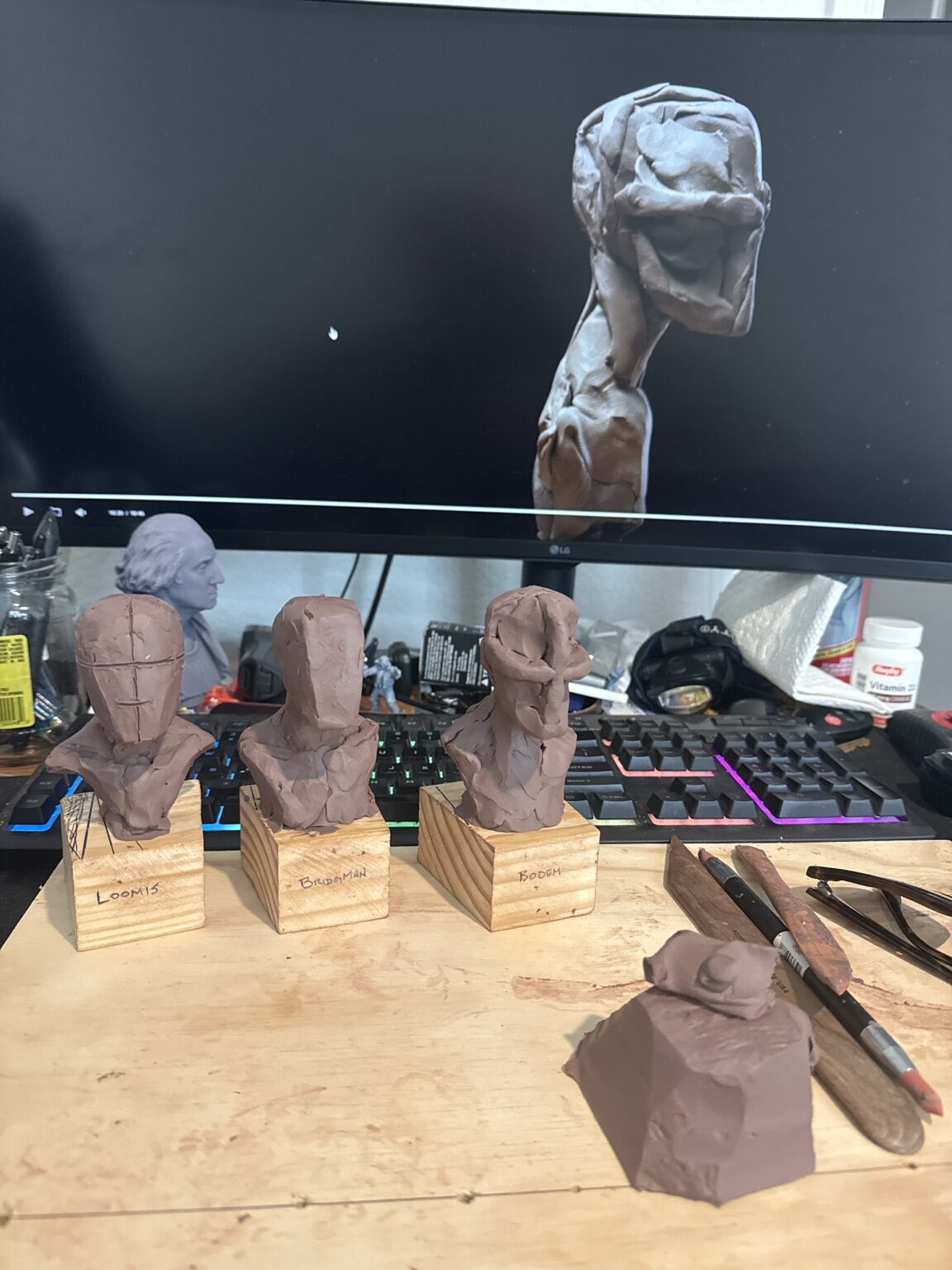
Digital sculpture: where to begin
What digital sculpture is, which programs are worth considering, and how to begin without getting buried in software.
Read the note
Studio journal
Molds, materials, tools, lighting, digital processes, and the decisions that shape what happens in the studio.
The working library
These are practical introductions, not recipes for unsafe experimentation. Casting, heated materials, chemicals, pressure, and foundry work require appropriate training, ventilation, protective equipment, and manufacturer guidance.
What digital sculpture is, which programs are worth considering, and how to begin without getting buried in software.
Read the note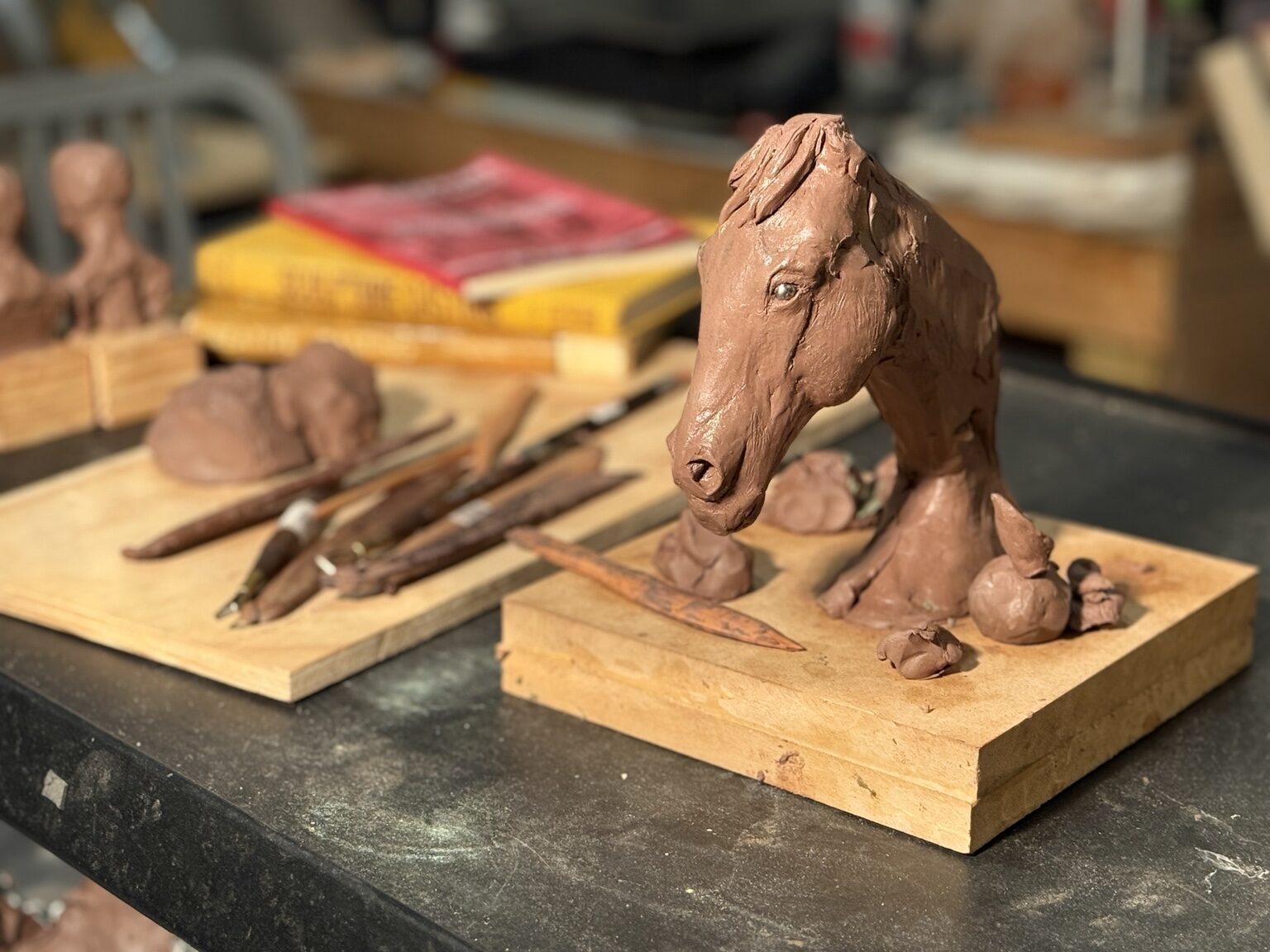
Water clay, oil clay, polymer clay, and wax-based compounds behave differently because they are built for different jobs.
Read the note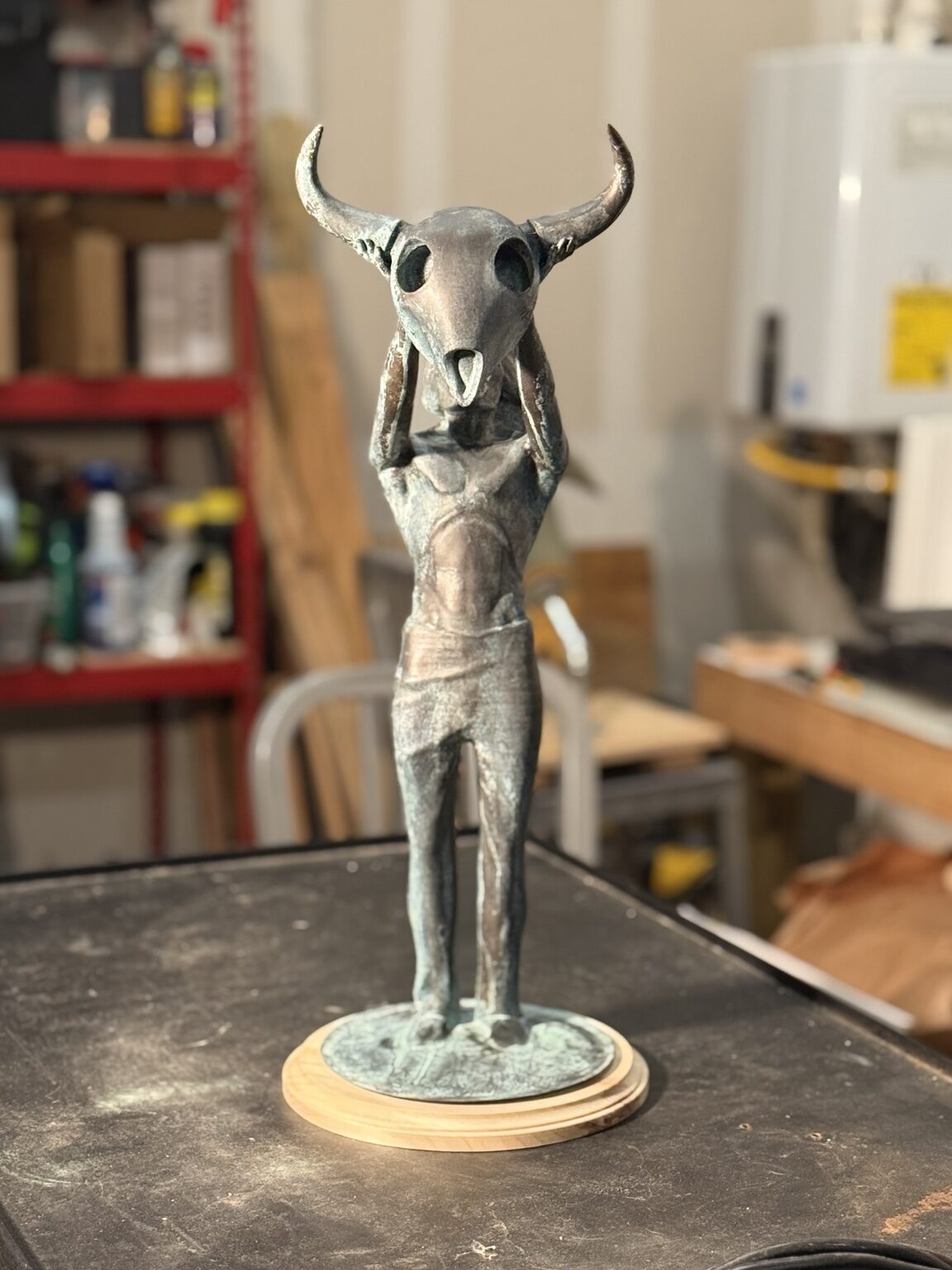
Patina is controlled chemistry, heat, layering, and judgment—not bronze-colored paint pretending to be metal.
Read the note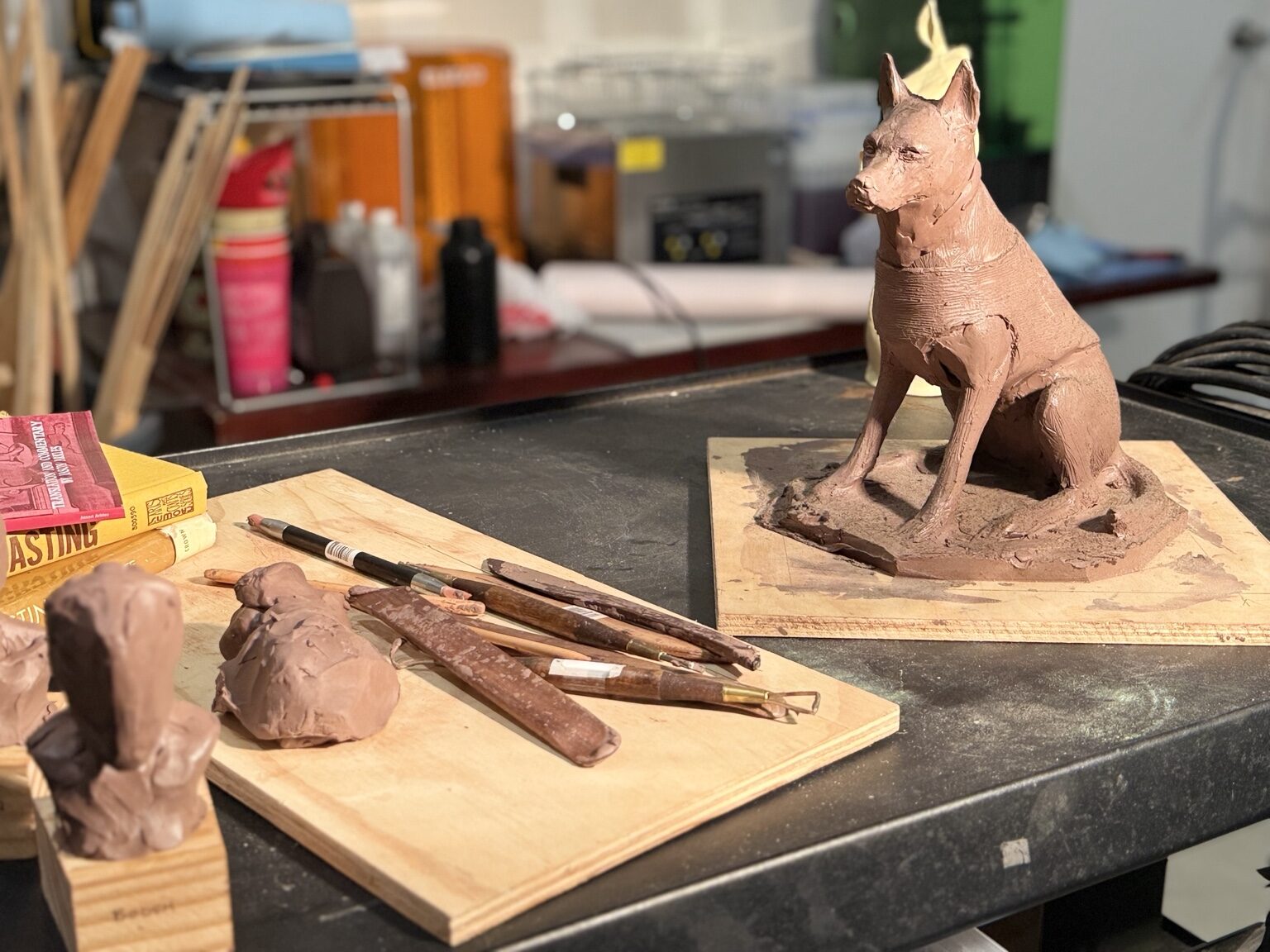
Rakes, loops, ribs, knives, calipers, and improvised tools each leave a different kind of evidence in clay.
Read the note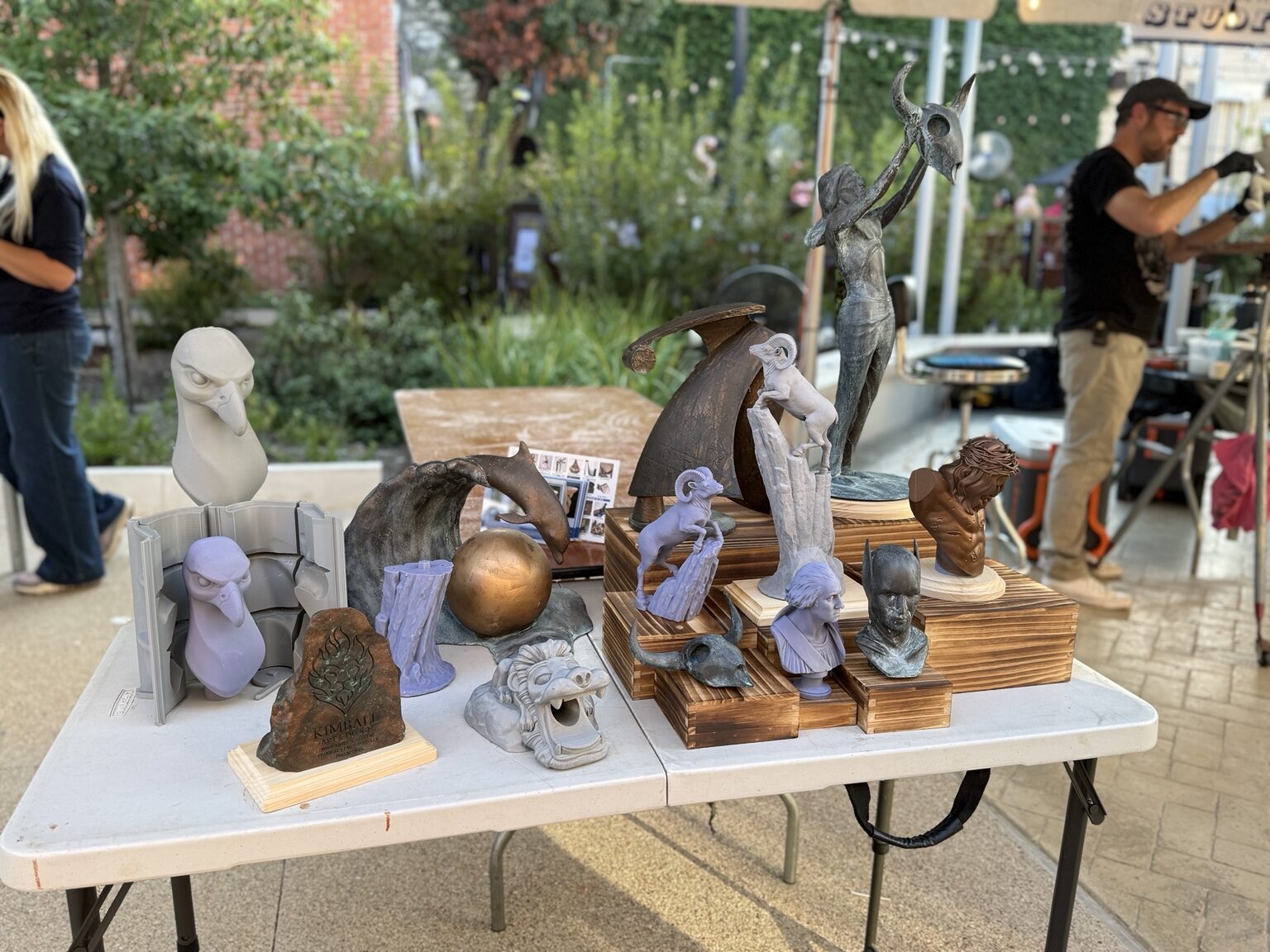
Build the room around movement, mess, ventilation, storage, and the work you perform most often.
Read the note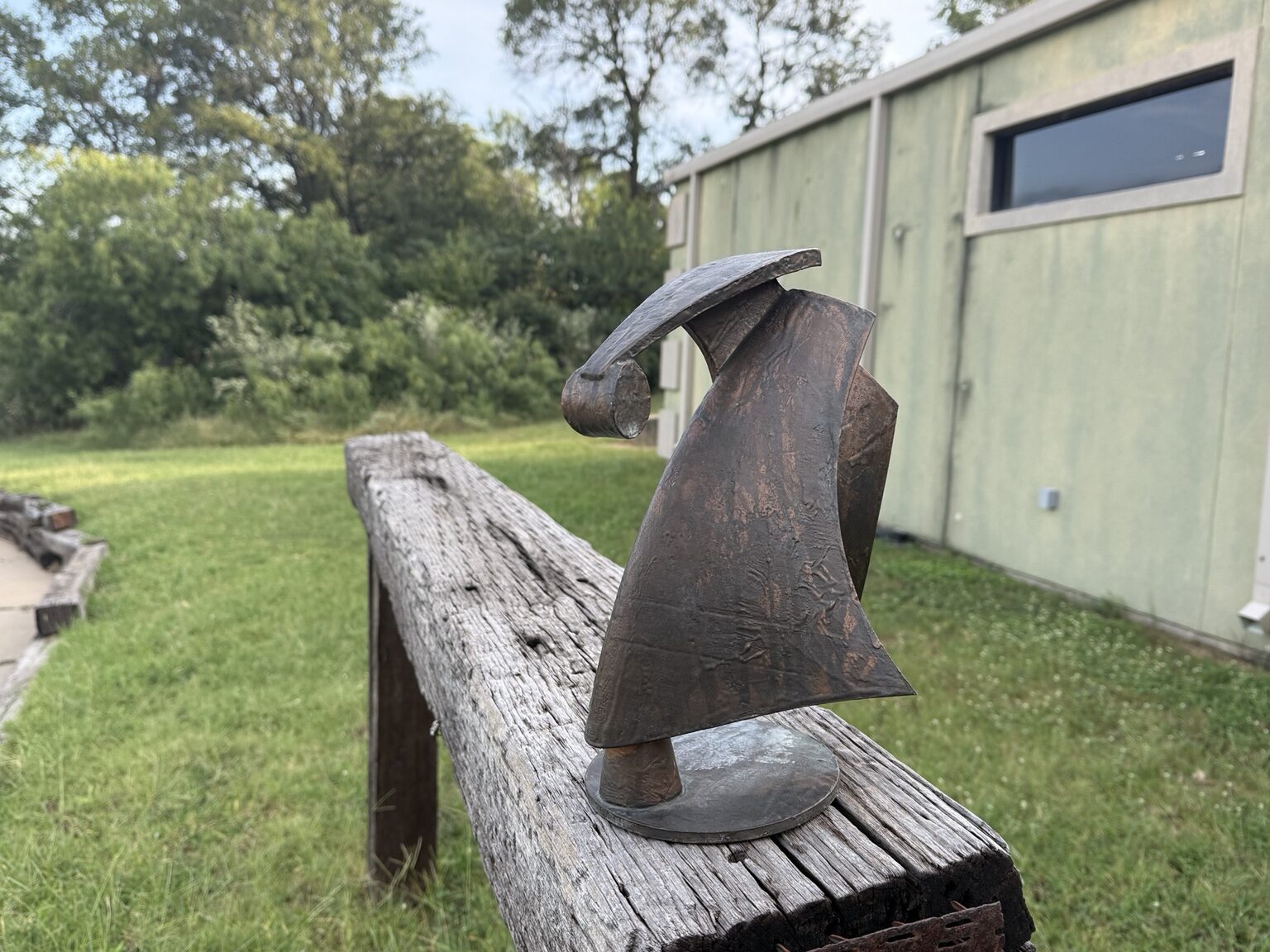
Scanning captures surfaces, not understanding. Results depend on planning, coverage, alignment, and cleanup.
Read the note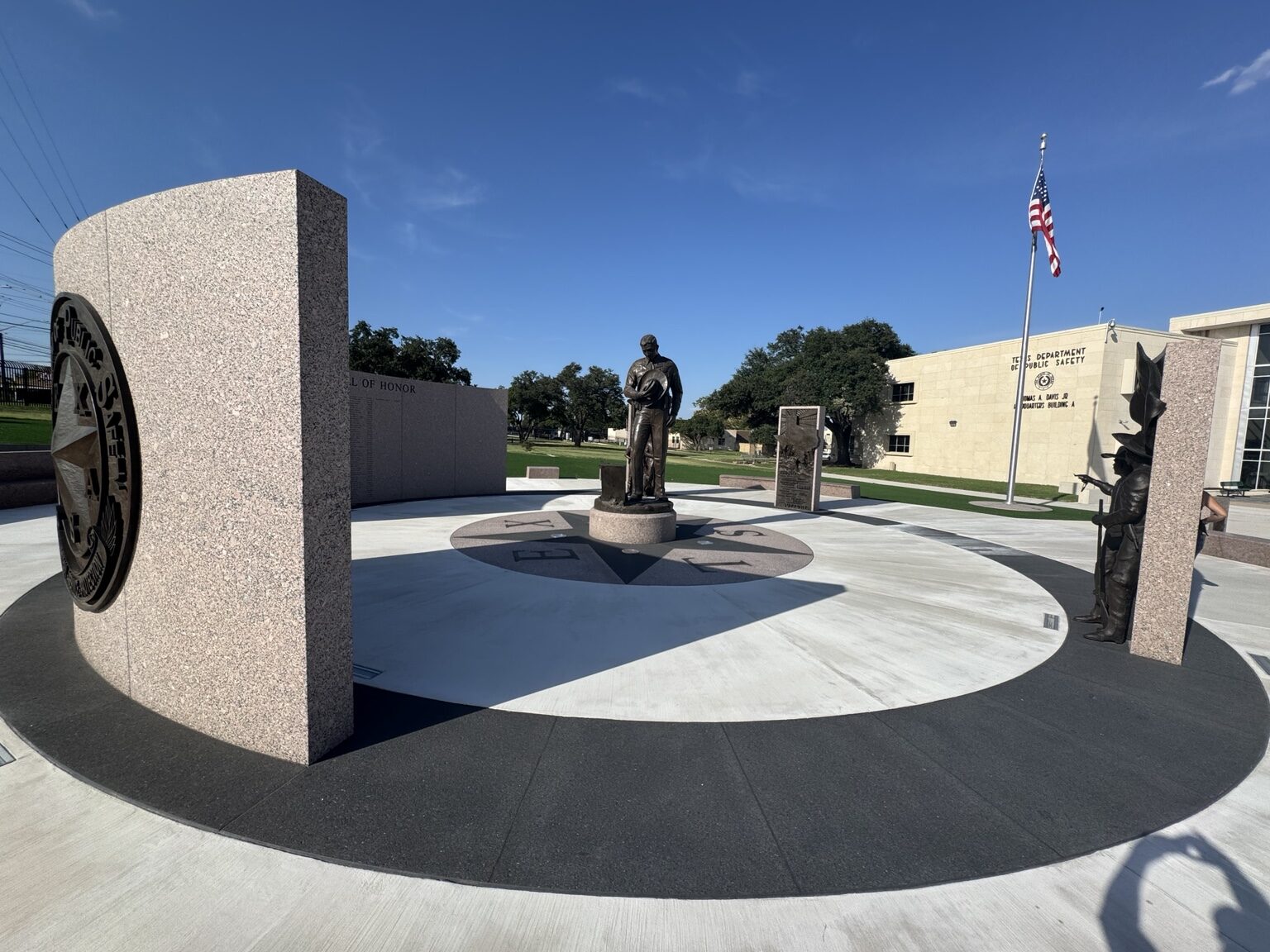
Changing scale is not merely multiplying dimensions. Structure, detail, viewing distance, and visual weight all change.
Read the note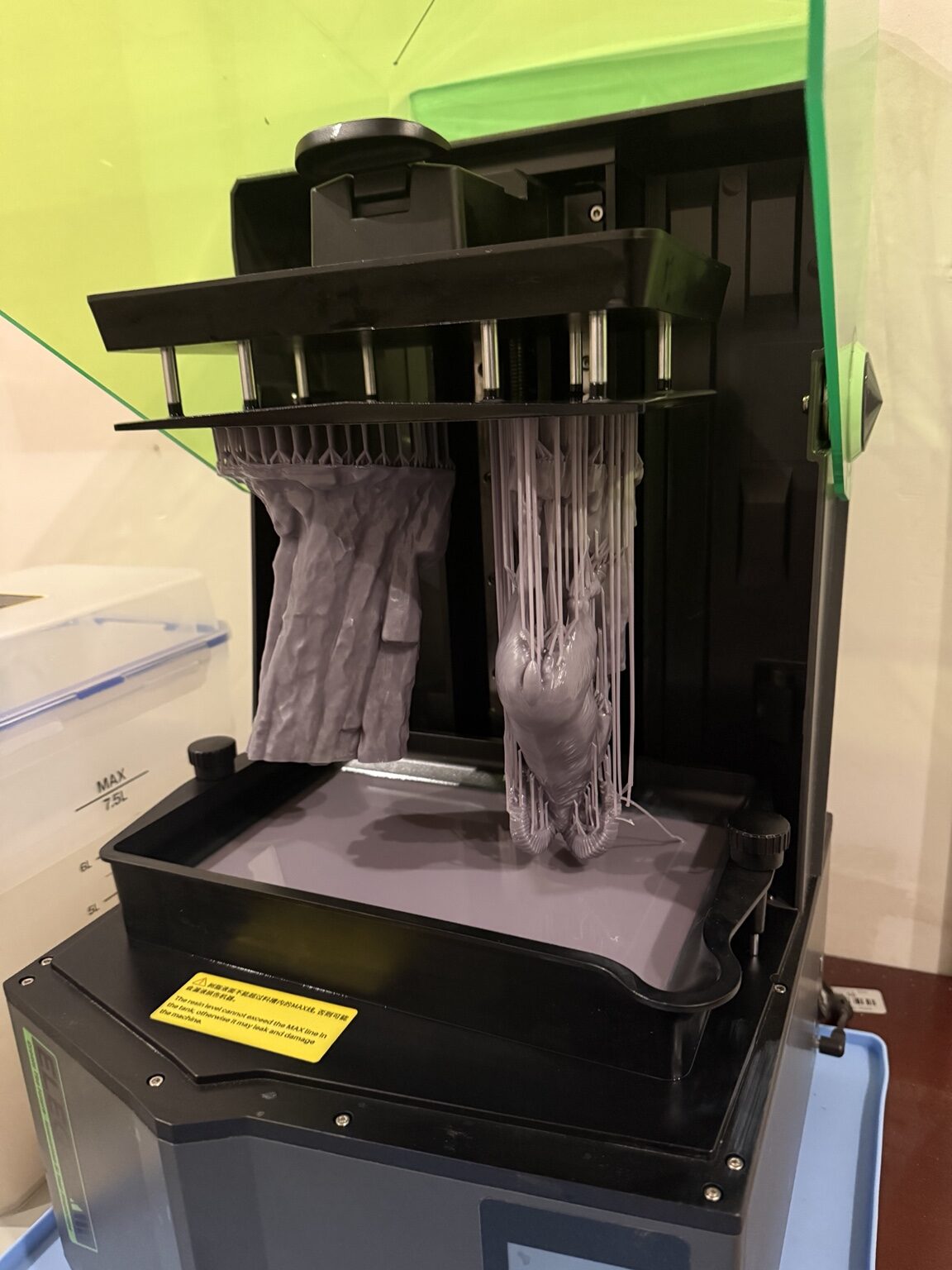
A good mold is designed around release, registration, casting material, edition size, and the labor of every copy.
Read the note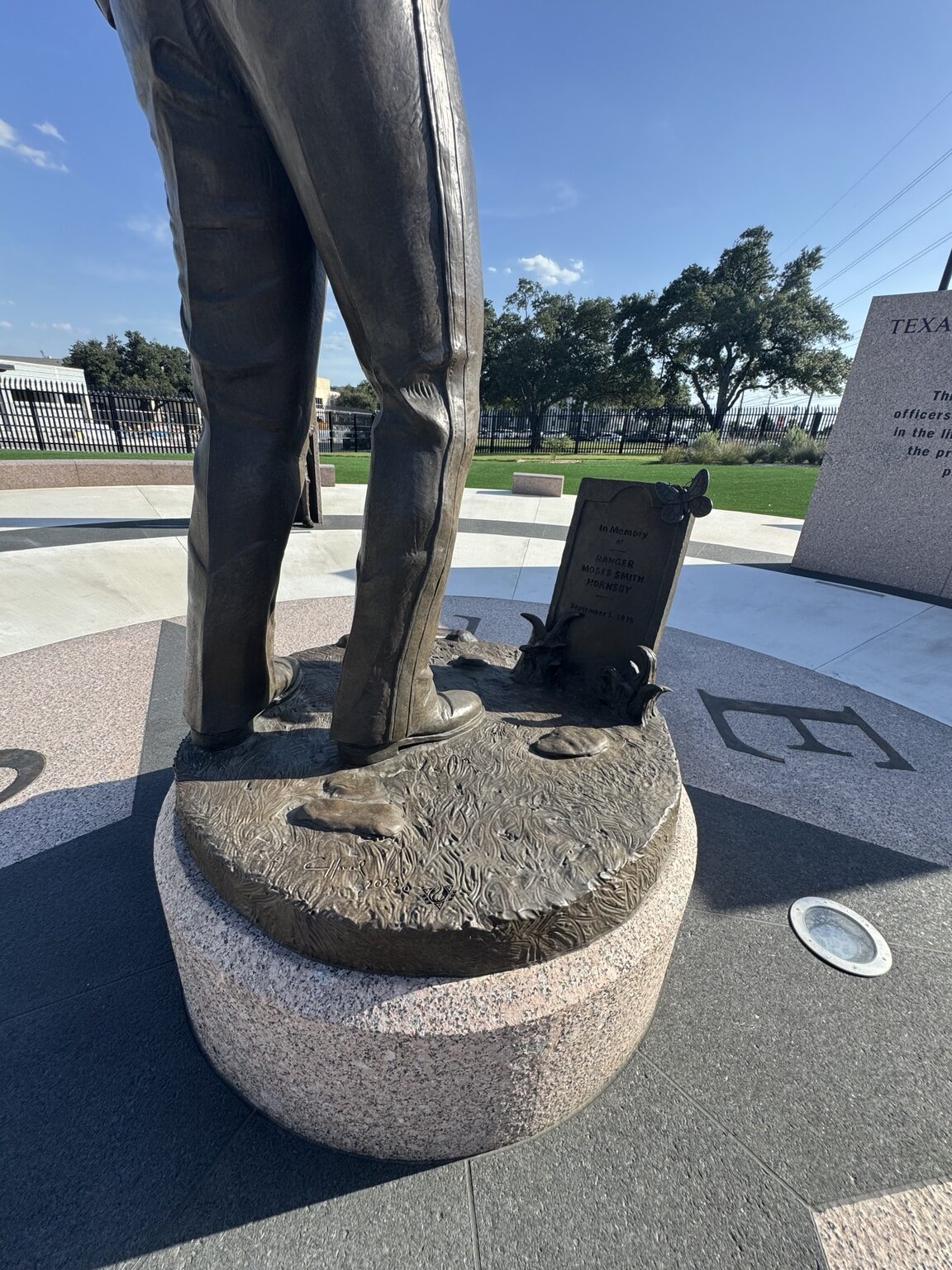
The idea is thousands of years old: surround a wax form, remove the wax, and fill the cavity with metal.
Read the note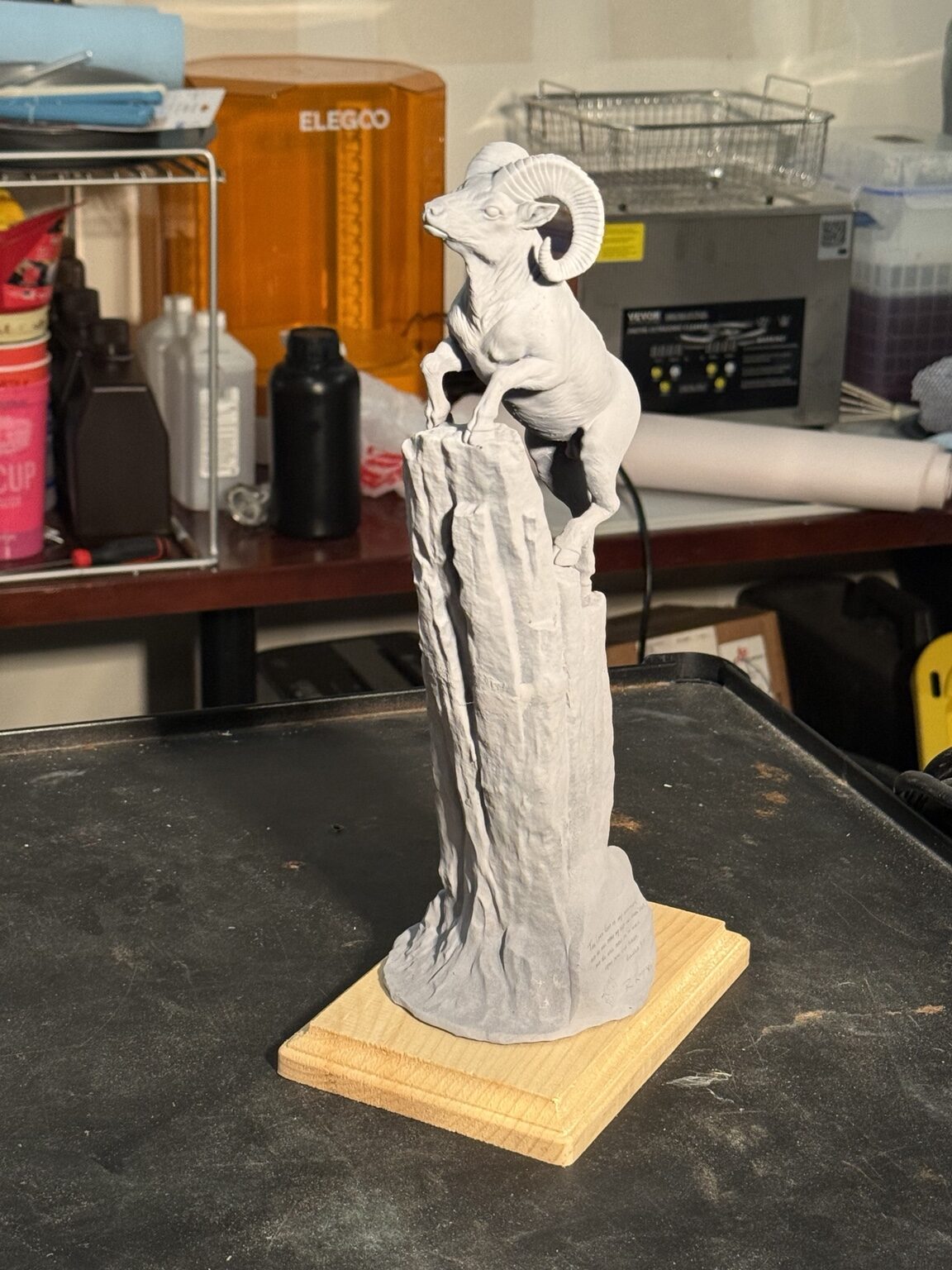
FDM printing can create expendable patterns, but layer lines, hollow geometry, ash, expansion, and burnout need a plan.
Read the note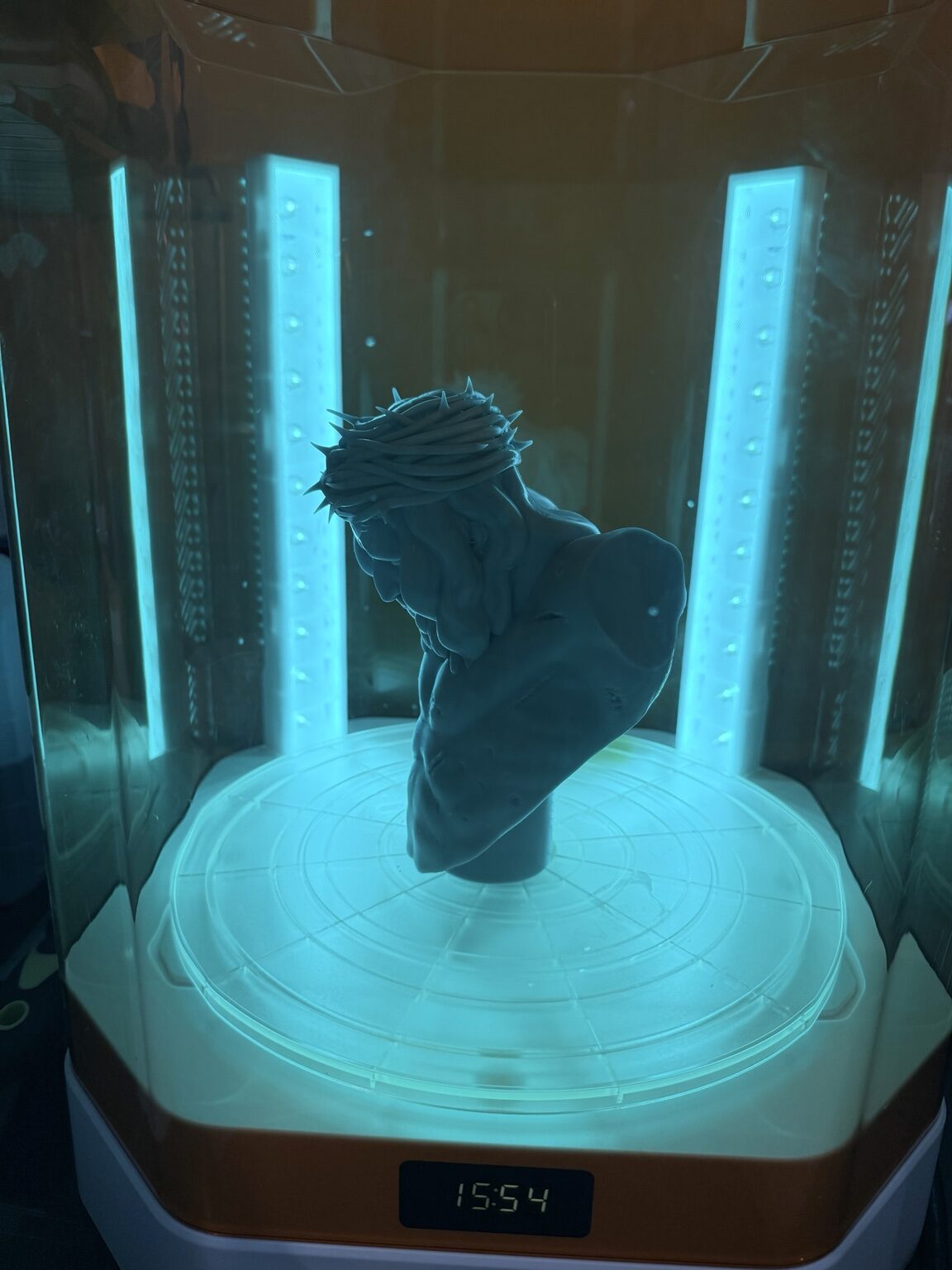
Castable photopolymer holds fine detail, but burnout depends on chemistry, cure, geometry, shell, and schedule.
Read the note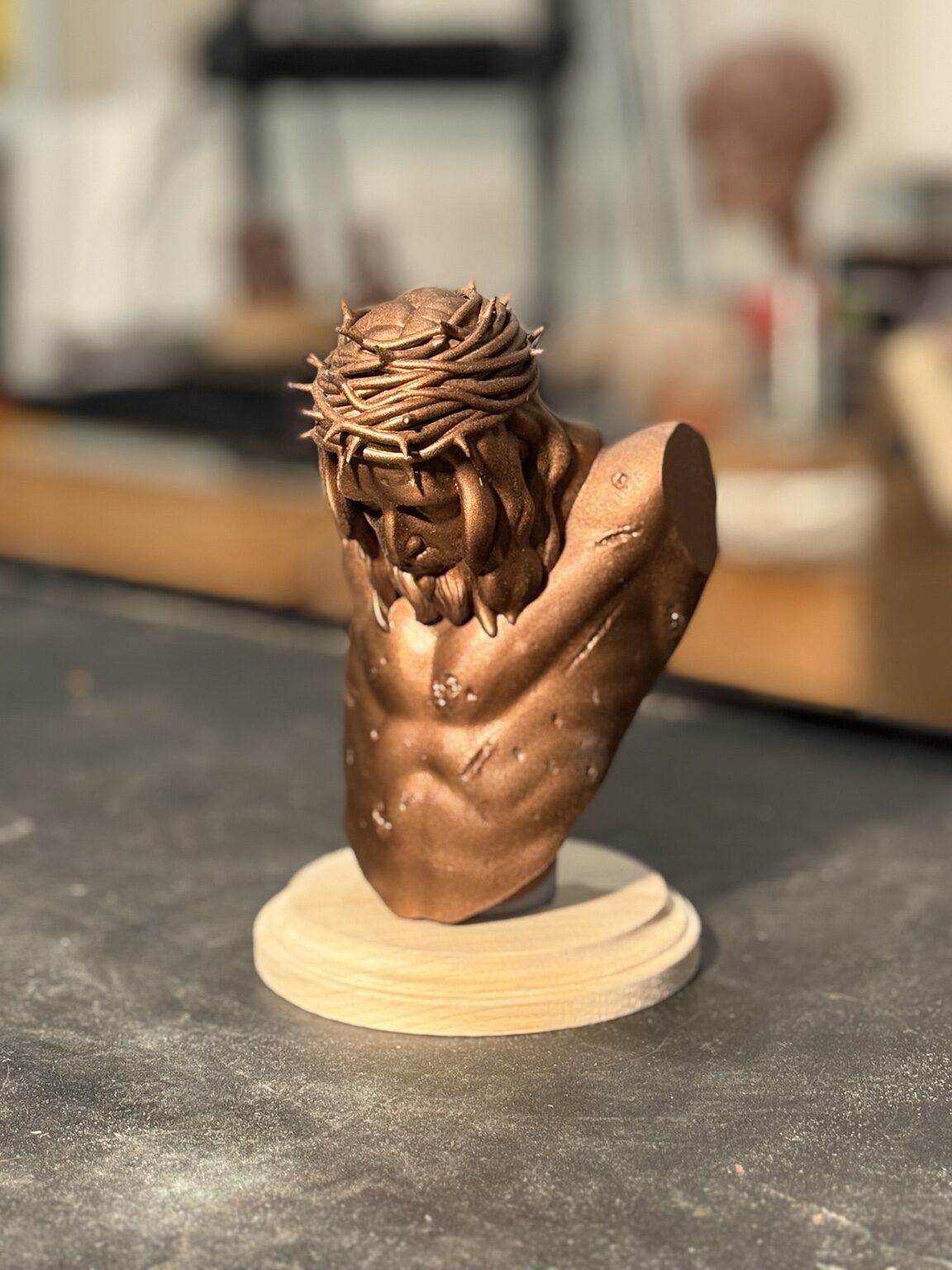
Wax records everything: mold temperature, pressure, cooling, handling, assembly, and compromises made before shell.
Read the note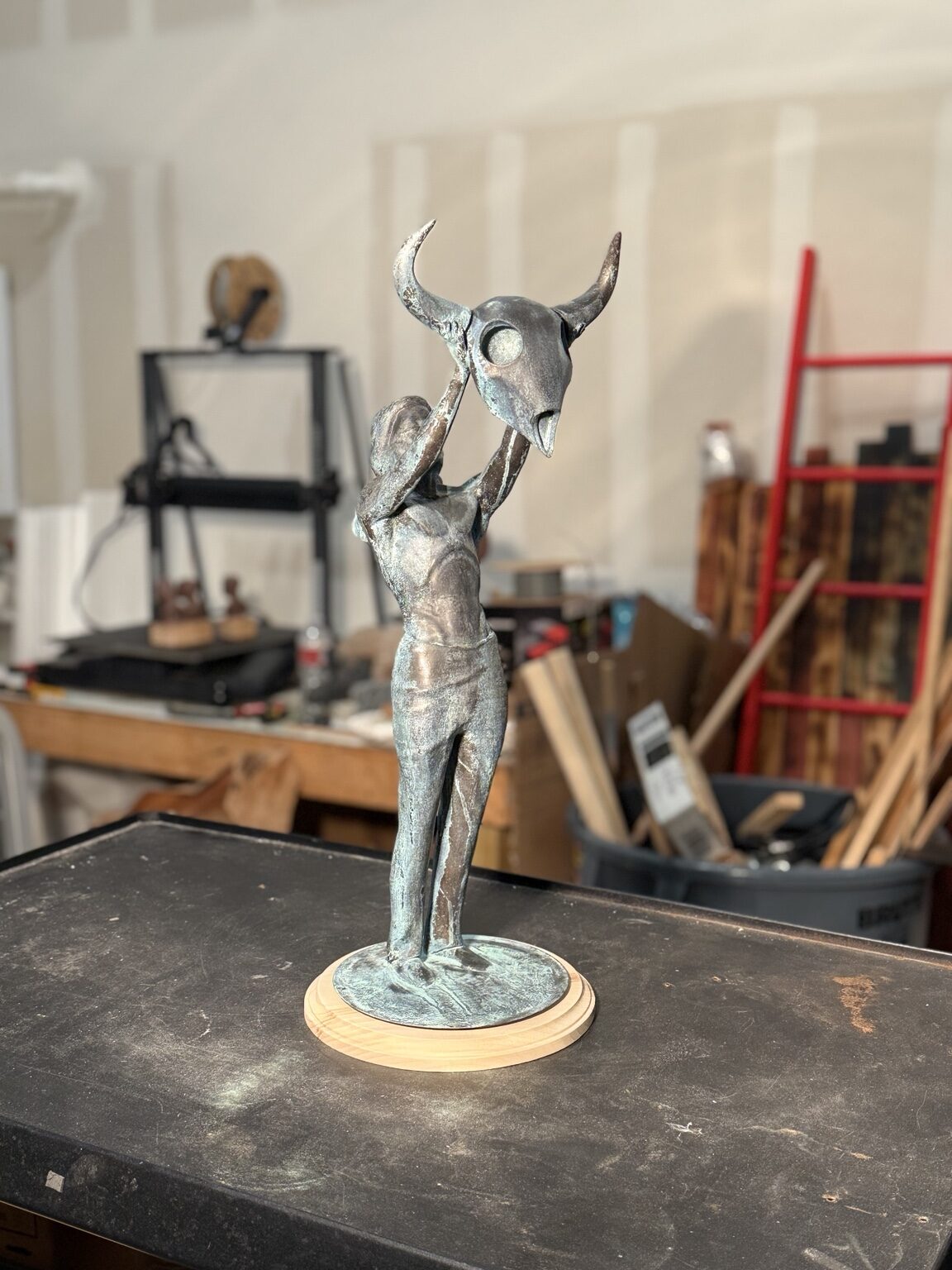
Alloy, temperature, mold design, feeding, shrinkage, chasing, welding, and finish determine whether a pour becomes sculpture.
Read the note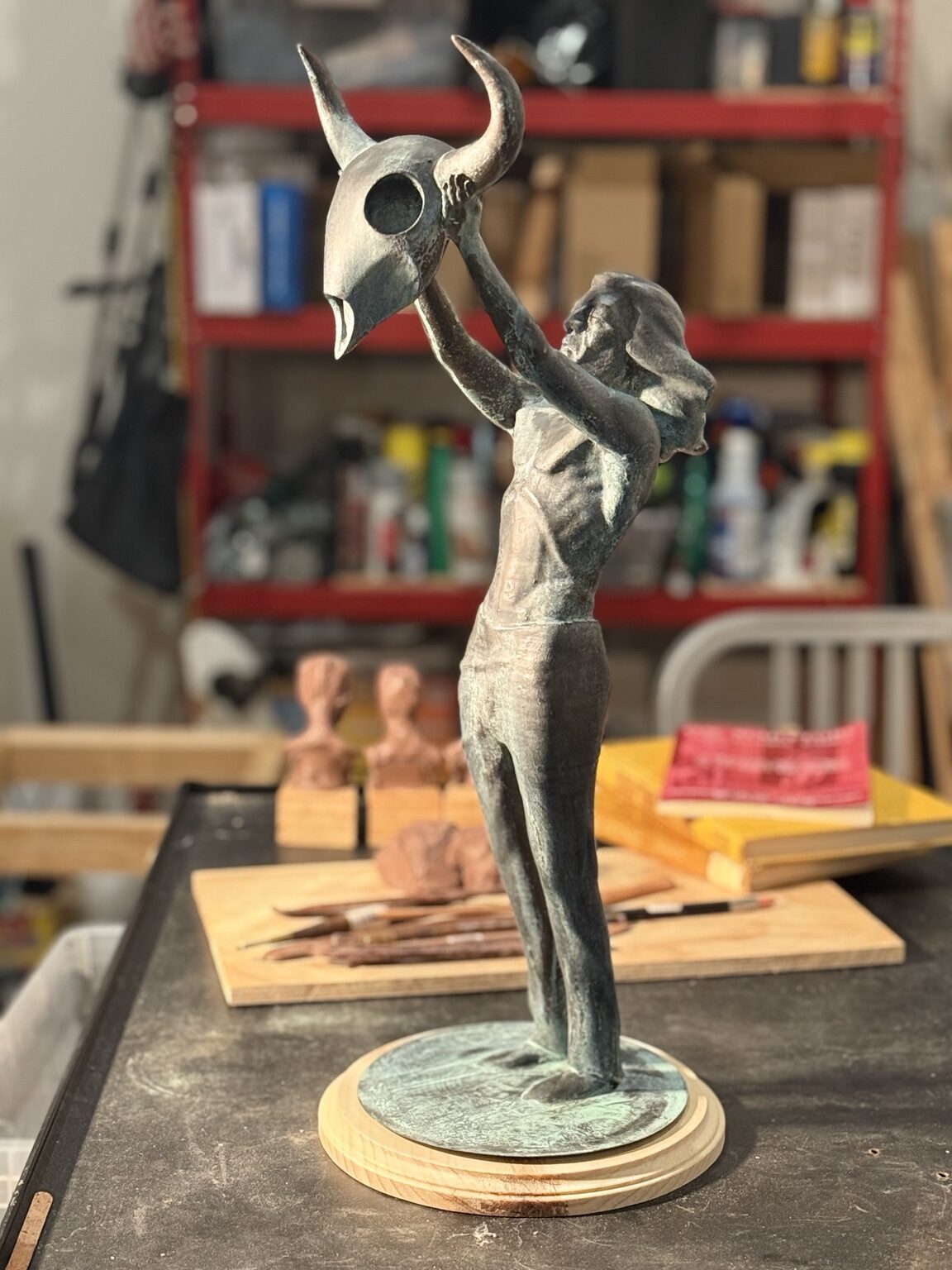
Resin is fast and versatile, but moisture, ratio, bubbles, exotherm, fillers, and cure conditions matter.
Read the note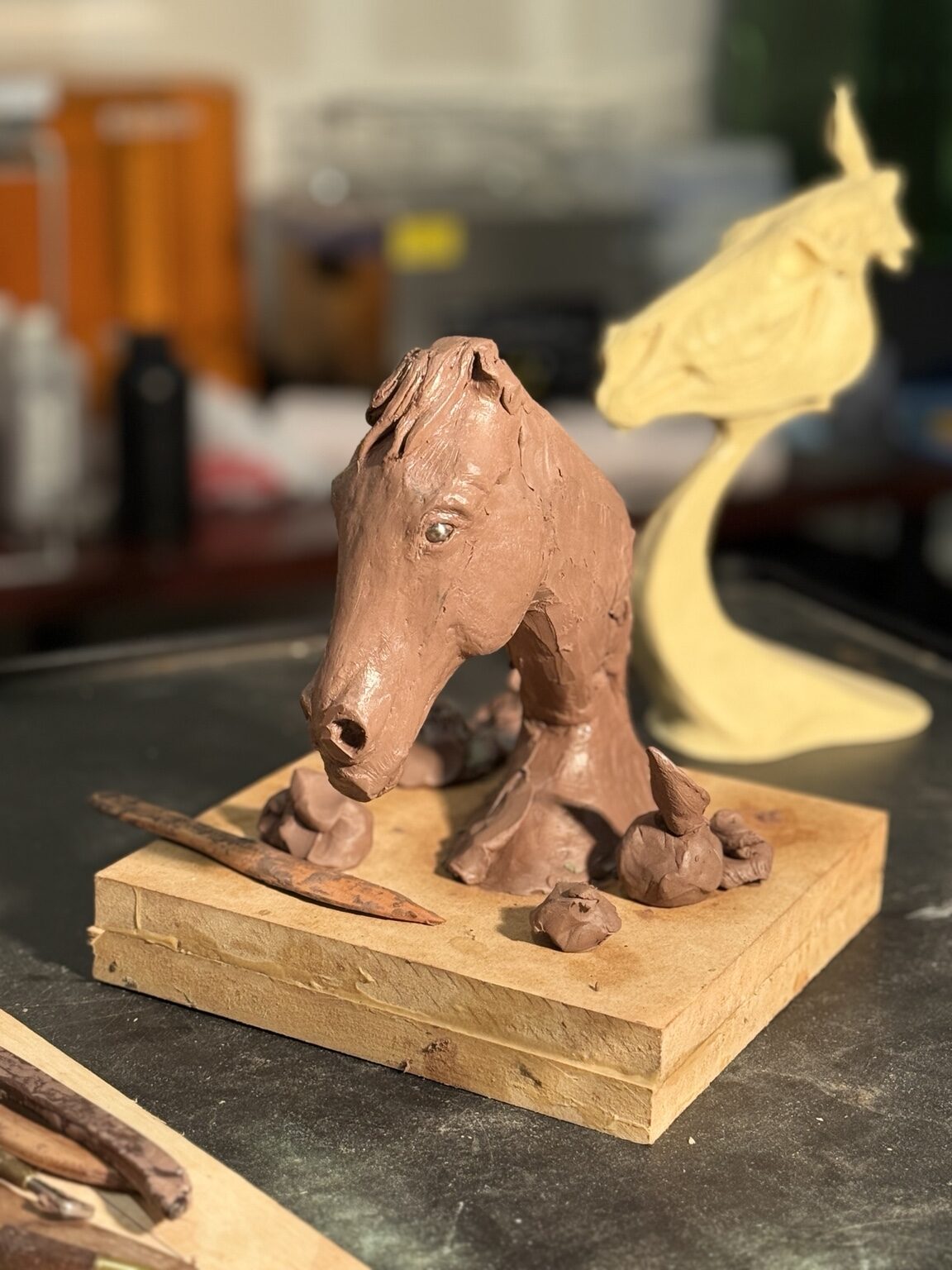
A useful modeling wax balances hardness, toughness, carving, warmth, surface finish, and safe handling.
Read the noteLikeness matters, but a portrait becomes convincing through structure, character, gesture, and the way it holds up from every angle.
Read the noteYou do not need a professional photo shoot—just several clear views of the subject.
Read the noteA photograph shows one optical event. A portrait sculpture must remain believable as the viewer walks around it.
Read the noteWhen the subject cannot sit for the artist, good reference, shared memory, and honest decisions become part of the commission.
Read the noteBuy tools around a proven process: measuring, mixing, molding, wax, shell, resin, metal finishing, and safe handling.
Read the note