Planning a posthumous or memorial portrait
When the subject cannot sit for the artist, good reference, shared memory, and honest decisions become part of the commission.
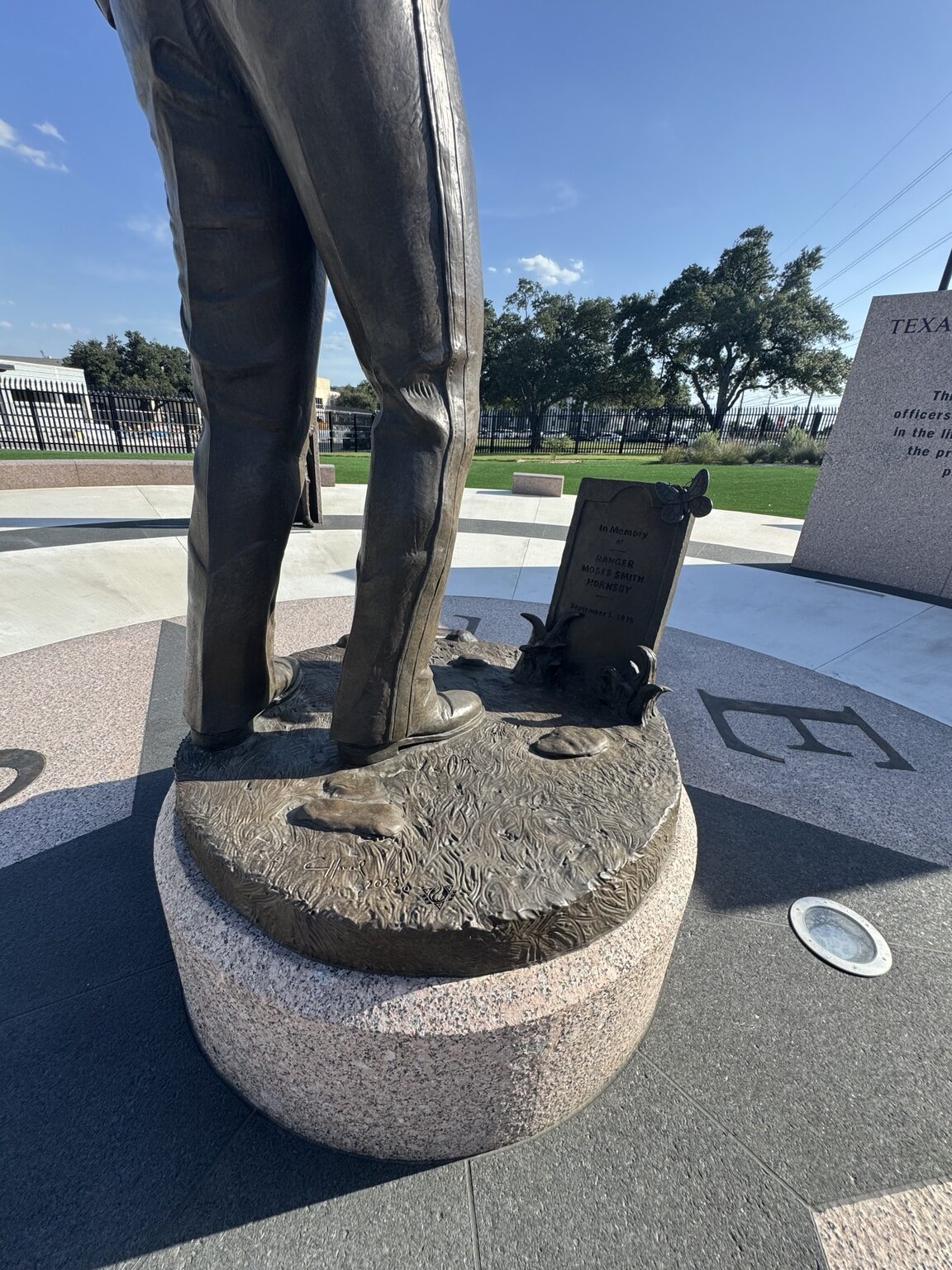
A memorial portrait carries unusual responsibility. It must serve people who knew the subject while also standing on its own for viewers who did not. The process begins by defining what the work is meant to preserve.
Build a useful record
Collect photographs and video from the appropriate period, known measurements, clothing information, and images from multiple angles. Invite a small number of close family members or colleagues to describe characteristic posture, expression, and presence.
Too many reviewers can create conflicting instructions. Choose one client representative to gather comments and return a clear response at each review stage.
Separate evidence from interpretation
Some features will be well documented; others will not. The proposal and reviews should identify where reference is strong and where informed interpretation is required.
A responsible portrait does not pretend certainty. It makes the best supported choice, then allows the sculpture's purpose and composition to guide what cannot be recovered exactly.
Plan the whole setting
Scale, pedestal, inscription, sightlines, weather, security, access, lighting, delivery, and installation all shape the portrait. Public work may also require engineering, approvals, accessibility coordination, and long-term maintenance.
Settling these questions early protects both the meaning of the work and the people responsible for it after installation.