
Working with and casting wax
Wax records everything: mold temperature, pressure, cooling, handling, assembly, and compromises made before shell.
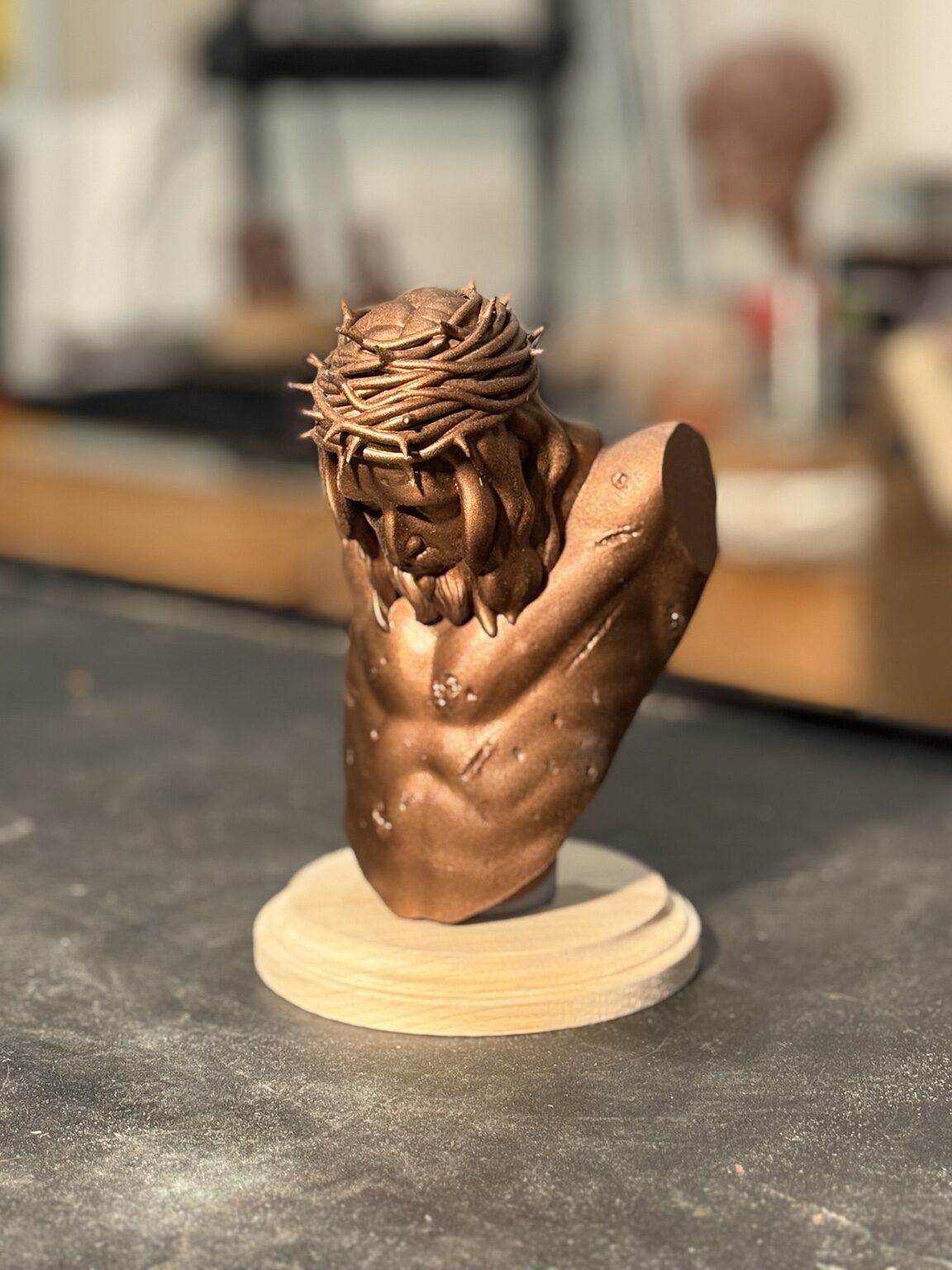
Foundry wax is modeling material and temporary engineering material. It must reproduce the mold, hold shape, accept repairs, join into a tree, survive shell building, and leave cleanly during burnout.
Temperature changes behavior
Hotter wax flows into detail but may increase leakage, flash, or shrink effects. Cooler wax can freeze before filling thin areas. Mold temperature, pressure, formulation, thickness, and cooling work together. Exact settings belong to the wax, equipment, and mold—not a universal number.
Wax shrinks as it cools. Uneven thickness can pull surfaces inward or warp edges. Slush casting coats mold interiors in stages; injection fills under pressure. Large waxes are often sectioned and assembled.
The wax room is quality control
Seams are chased, bubbles repaired, thickness checked, and gates attached before investment. Every scratch or drip left on wax becomes metal work later.
Use thermostatically controlled equipment, keep water away from molten wax, prevent ignition sources, and treat heated wax as a burn and fire hazard.