
Mold making: parting lines, silicone, and shells
A good mold is designed around release, registration, casting material, edition size, and the labor of every copy.
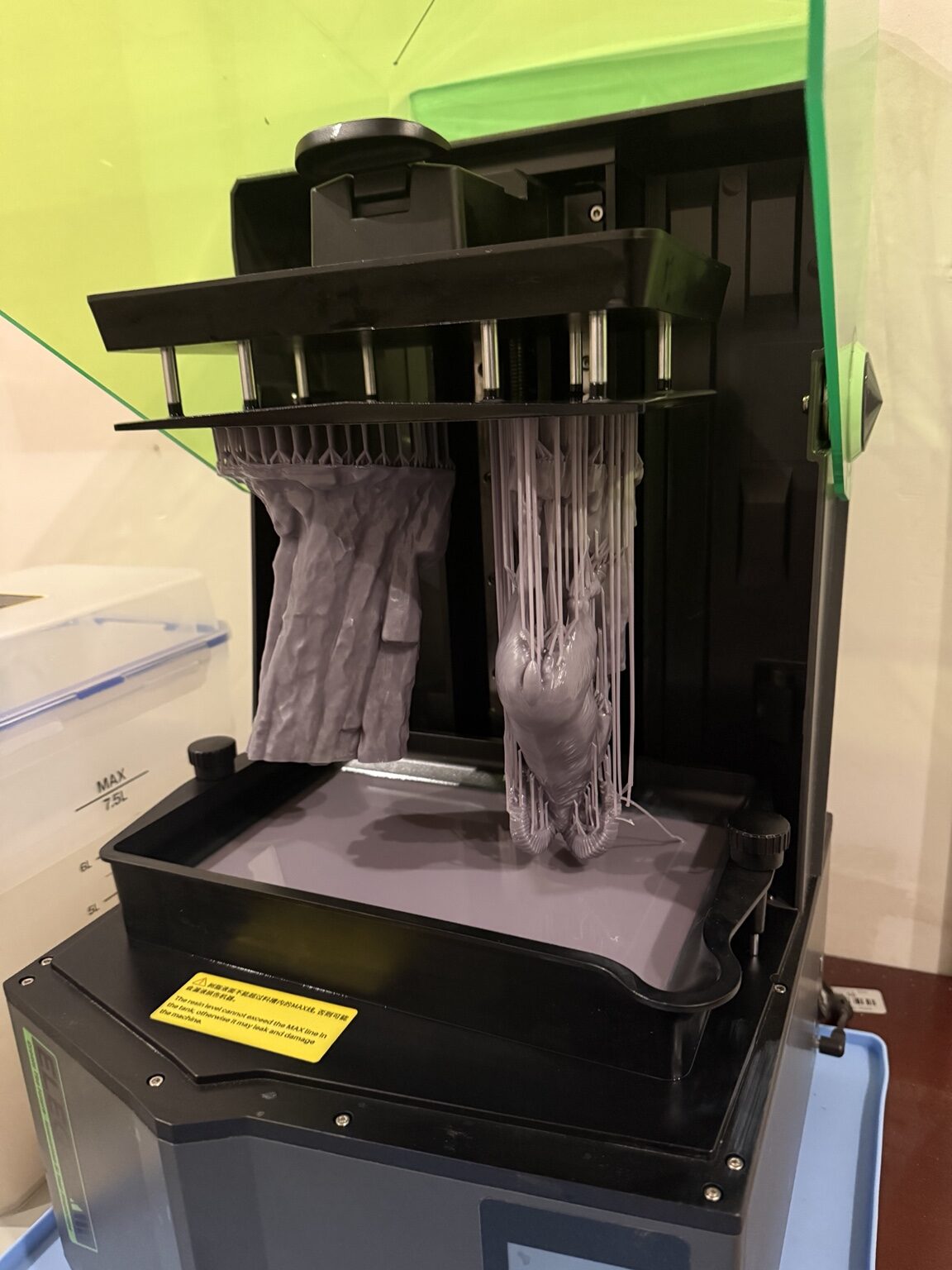
In American English it is mold; in British English it is mould. Either describes the negative tool used to reproduce an original. The real question is how that negative comes apart without damaging the model, itself, or the casting.
Parting lines and silicone
A parting line divides sections where they can release around undercuts. The best line balances clean release, manageable seams, and practical construction. Registration keys align sections. Pour gates and vents belong in the plan from the beginning.
Tin-cure silicone is often economical and forgiving. Platinum-cure silicone can offer excellent properties and longevity but is vulnerable to inhibition from sulfur, some resins, latex, amines, and contaminants. Test materials together. Brush-on molds conserve silicone; block molds can be stable for small objects.
The hard shell
Flexible rubber needs a rigid mother mold or shell. Plaster, fiberglass, epoxy, and printed shells each have strengths. The shell must register, secure, release, and remain manageable.
Design for the casting material and edition. Wax, resin, plaster, concrete, and flexible materials impose different demands. Ventilation, compatible gloves, accurate ratios, and manufacturer instructions matter.